
 Download
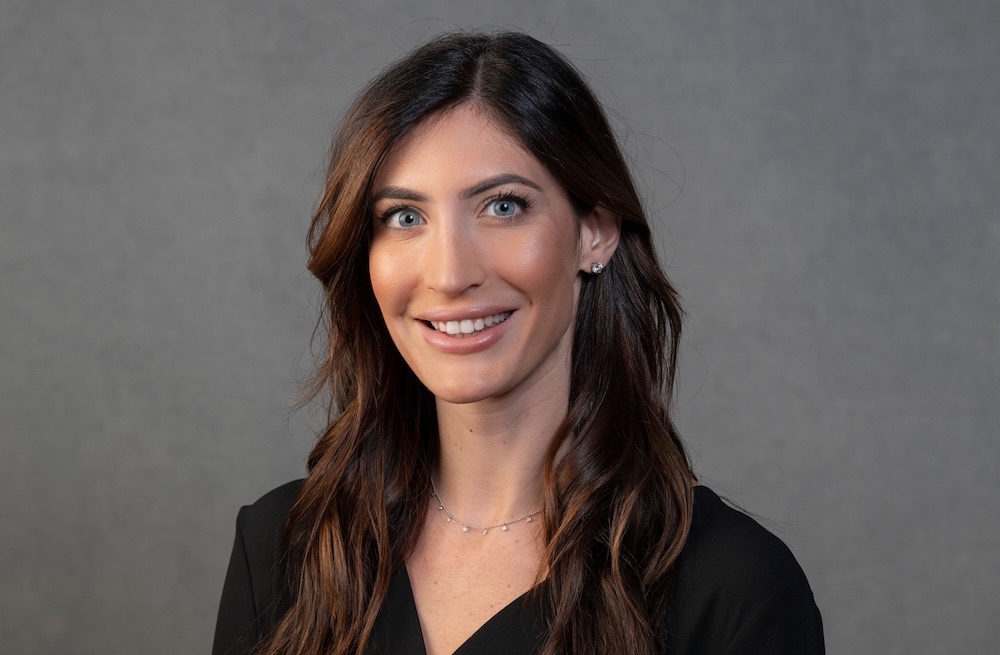
Meet the clinical lead
Margot Paul Evans, Psy.D.
Clinical Product Lead, Sonia Care
Margot brings clinical and research experience to Sonia Care, with a focus on evidence, safety, and responsible care.
BHOC26 · Dana Point · September 8–10, 2026
Proud contributing sponsor of BHOC26
Our field needs a better outcomes framework. If it keeps counting sessions attended, we will keep rewarding contact instead of real change. We ran a randomized controlled trial, in part, to understand what to measure when the goal is meaningful improvement in emotional wellbeing.
01
We went in expecting a clean more-is-better curve. What we found was more complicated than that, and it matters for any framework that sets an engagement threshold as a quality bar. Valerie Forman Hoffman will discuss this and what truly matters on Wednesday, September 9 at 3:45 PM at BHOC26.
02
Our trial tracked what actually moves: how often unhelpful automatic thoughts show up, whether people re-engage with the things that matter to them, and whether they feel a genuine working relationship with the tool. Those behave like leading indicators of whether support is useful.
03
Not everyone uses Sonia the same way. Our cluster analysis found no significant outcome differences between sporadic and power users. Some people benefit by turning to the app only when they need support.
All three papers are available as public preprints and linked below.
Randomized controlled trial
400 adults, four weeks, randomized against web-based psychoeducation. At two weeks, the Sonia group reported greater improvements in mood and anxiety symptoms than the control group.
Preprint on PsyArXiv
Safety architecture
How Sonia recognizes a conversation that goes beyond what AI should handle and routes people to appropriate human support.
Preprint on medRxiv
Engagement patterns
A cluster analysis of the randomized trial found no significant outcome differences between sporadic and power users. Improvements were not limited to the people who used Sonia most often.
Preprint on Research Square
Sonia is a voice-first AI wellness companion. People can talk to Sonia between appointments with a licensed clinician, while they sit on a waitlist for human-supported care, or when cost, time, or stigma has kept them from seeking formal care. Sonia offers tools grounded in cognitive behavioral principles that people can use to manage stress and difficult emotions.
Sonia is not a replacement for professional care. It is a first step: a way to build the skills and self-awareness that help someone recognize when they need more support and feel ready to ask for it.
Sonia is not a crisis service. Conversations that signal a need for professional support are directed to appropriate resources, including 988, the US Suicide & Crisis Lifeline. Sonia is HIPAA-compliant and built for adults 18 and over.
Our next product: Sonia Care
Sonia Care combines Sonia's AI support with licensed human clinicians. People can choose Sonia AI on its own or Sonia Care with coordinated human support.
Meet the clinical lead
Clinical Product Lead, Sonia Care
Margot brings clinical and research experience to Sonia Care, with a focus on evidence, safety, and responsible care.
If you are an employer, benefits broker, provider group, or health plan or system thinking about where AI support fits alongside your offerings, we would love to discuss whether a partnership to adapt and test Sonia for your organization might make sense.
We completed a 400-person randomized controlled trial, which is what this page describes. Sonia Care is a separate product that combines AI and licensed human support; a future study will test how people use its different pathways.
No. Sonia supports general wellness. It is designed to complement professional care, not replace it.
Sonia is built around mechanisms our RCT measured—such as reducing unhelpful automatic thoughts and re-engaging with real-world activities—rather than optimizing for time spent talking. It also has a dedicated safety layer that directs crisis-level conversations to human resources, including 988.
Sonia is HIPAA-compliant. The form on this page collects business contact details for partnership follow-up only, so please do not include personal health information.
The form above is for employers, benefits brokers, provider groups, health plans or systems, investors, and others interested in a potential partnership. It is not a public enrollment form.
The talk
We are collecting mountains of data, but not necessarily predictive data.
3:45–4:00 PM · TED-style talk · Monarch Terrace · Wednesday, September 9, 2026
Valerie Forman Hoffman, PhD, MPH · Head of Research, Sonia Health
Valerie and Lukas are at BHOC26 September 8–10. We are a contributing sponsor, so we are around all three days—come argue with us about metrics.